
Research in behavioral science shows that immediate feedback strongly affects how people interact with digital systems. Studies from American Psychological Association and findings discussed by Harvard Business Review indicate that quick responses and visible outcomes can increase engagement because the brain naturally pays attention to patterns, rewards, and anticipation.
Modern digital environments often rely on systems that reduce waiting time between action and outcome. As a reference point, platforms and discussions around MM2 coinflip mechanics provide an example of fast feedback structures used within gaming ecosystems. While the surrounding context may differ across platforms and game environments, the underlying design principle remains similar: users perform an action and receive an almost immediate result. This structure appears across many forms of digital entertainment and interactive experiences.
The relationship between speed and user engagement raises an interesting question. Why do instant outcomes seem to hold attention so effectively, and what can broader gaming systems learn from these mechanics? Looking beyond individual platforms reveals a larger pattern involving reward systems, behavioral design, and user experience choices.
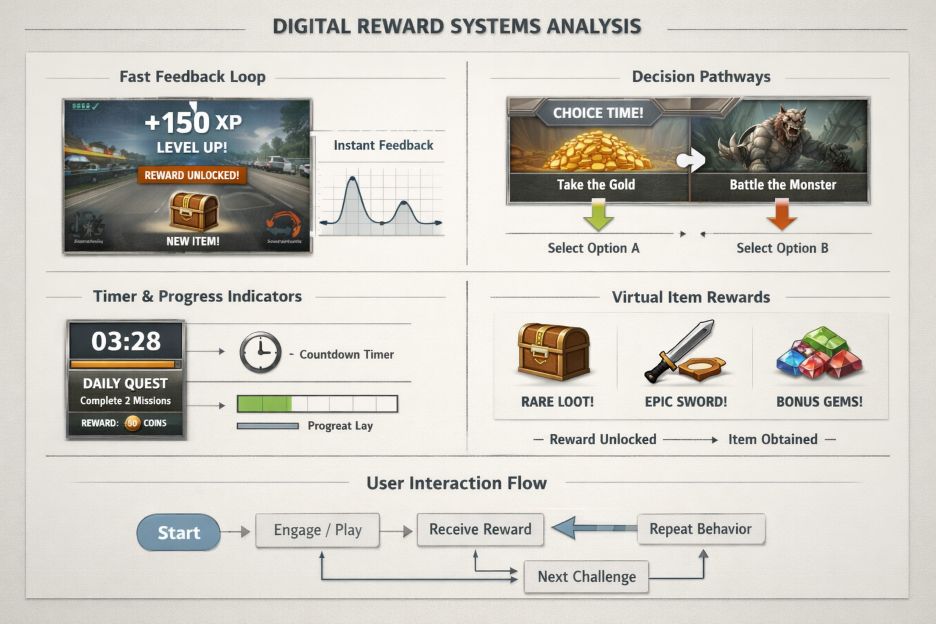
Fast Reward Systems and Their Role in User Engagement
Many digital experiences are built around shortened feedback loops. A player presses a button, receives a notification, unlocks content, or sees a result within seconds. This pattern exists across mobile applications, multiplayer games, social platforms, and reward-driven systems.
McKinsey & Company has discussed how immediacy and responsiveness influence user interaction patterns in digital products. Faster responses reduce uncertainty and create a stronger feeling of participation. Users generally prefer systems that acknowledge their actions quickly rather than environments with long delays and little visible feedback.
Game developers frequently design experiences around this principle. Progress bars fill instantly. Notifications appear after tasks are completed. Virtual rewards become visible within moments. The purpose is not necessarily to increase intensity. Instead, it creates a feeling that actions matter and that user input produces visible results.
Rapid feedback systems often contain several characteristics:
- Short time between action and response
- Clear visual or auditory confirmation
- Visible progression or outcome indicators
- Repeated interaction opportunities
- Reduced uncertainty about whether an action occurred
These design elements create rhythm. Users naturally understand cause and effect because they can immediately connect behavior with results.
Examining Why Instant Outcomes Drive Attention
Speed changes perception. Human attention frequently reacts to immediate signals because they require less cognitive effort than delayed information.
Stanford Human-Centered Artificial Intelligence research and studies from MIT Media Lab suggest that rapid feedback can increase a sense of involvement by keeping individuals connected to an ongoing activity. Long pauses sometimes create disengagement because users begin shifting focus elsewhere.
Consider common examples outside gaming. Social media notifications appear immediately after interactions. Streaming platforms automatically continue content. Fitness applications instantly display completed goals and metrics. The pattern remains consistent across industries.
Fast gaming systems operate similarly because they minimize interruption between action and result.
Another factor involves uncertainty. Humans naturally respond to anticipation. A short waiting period creates curiosity, while immediate resolution satisfies that curiosity quickly. Within digital environments, rapid result systems can create cycles where users continue interacting because each action produces a visible endpoint.
Discussions surrounding virtual item chance systems and digital reward mechanisms often show how users become interested in these fast-response structures because they compress the decision-to-outcome timeline.
Potential Drawbacks of Rapid Feedback Loops
While immediate outcomes can strengthen engagement, there are also concerns about excessive speed in interactive systems.
World Health Organization research examining digital behaviors notes that highly stimulating environments may sometimes encourage prolonged engagement patterns among some individuals. Speed itself is not inherently problematic, but design choices can influence user behavior in ways that deserve attention.
One issue involves reduced reflection time. When interactions occur continuously and quickly, users may spend less time evaluating choices before moving forward.
Potential concerns include:
- Reduced pause periods between decisions
- Increased emotional reactions to rapid outcomes
- Difficulty maintaining awareness of time spent
- Repeated interaction patterns driven by constant feedback
Another challenge concerns balance. Extremely fast systems can create stimulation fatigue. If every action generates intense responses, users may eventually become desensitized.
Researchers from University College London have explored how continuous reward exposure affects attention and behavioral patterns. Findings suggest that excessive stimulation can sometimes reduce long-term satisfaction because experiences become expected rather than meaningful.
This creates a paradox. Speed attracts attention, yet excessive speed may gradually weaken the impact of individual experiences.
Balancing Engagement and User Experience
The most effective digital systems often avoid extremes. They do not remove fast responses entirely, yet they also avoid overwhelming users with constant stimulation.
Many successful games introduce variation rather than maintaining a single pace throughout an experience. Quiet moments, progression periods, exploration sections, and pauses often exist alongside rapid interactions. Similar patterns appear across broader digital reward ecosystems, where changing user expectations continue to shape design decisions. Discussions around Digital casino reward trends also reflect how evolving feedback structures increasingly focus on user experience rather than simply accelerating interaction cycles.
Developers increasingly recognize that sustainable engagement differs from simple activity volume. Long-term user experience depends on balance.
Fast-response gaming systems and virtual chance-based interactions illustrate broader design principles rather than isolated cases. Mechanics resembling digital item-flip systems and immediate outcome structures demonstrate how reward architecture shapes behavior, but they also highlight the importance of moderation and thoughtful pacing.
Design choices ultimately influence how users perceive control, excitement, and satisfaction. Speed can create attention. Deliberate pacing can create meaning. Together, these elements form a more complete user experience.
Understanding Design Beyond Individual Systems
Looking at MM2-related reward mechanics from a broader perspective reveals that they are part of a much larger conversation in digital design. Similar principles exist across gaming platforms, mobile applications, social ecosystems, and entertainment products.
Understanding these systems matters because design influences behavior in subtle ways. Immediate responses can increase engagement, while balanced structures help maintain healthier interaction patterns over time.
Responsible Use Notice: Rapid feedback systems in gaming or gambling-related environments can encourage extended periods of interaction for some individuals. Users should remain aware of time spent, maintain personal limits, and seek support resources if engagement begins affecting daily responsibilities or well-being.
Rather than viewing rapid-response mechanics as inherently positive or negative, examining broader gaming reward structures suggests a more balanced conclusion. Fast interaction systems can enhance user experience when combined with thoughtful pacing, measured feedback, and responsible design considerations.
 Sports gaming in Indonesia has changed significantly in recent years. What used to be a simple betting experience based only on pre-match predictions has now become far more interactive.





 Spending more than planned.
 The pre-flop, flop, turn, and river are the four stages of betting in a shoe game.
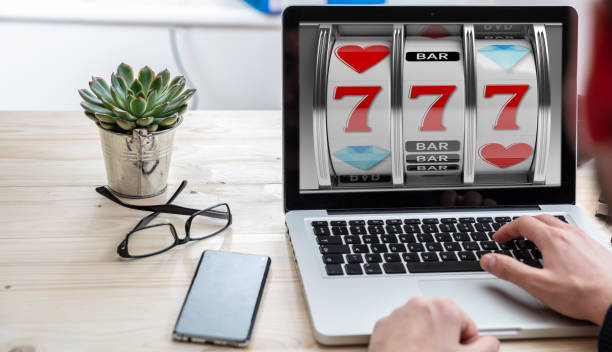 Slots with classic themes or the newest video slots with amazing features are great options, but you should also seek out slots that fascinate you.
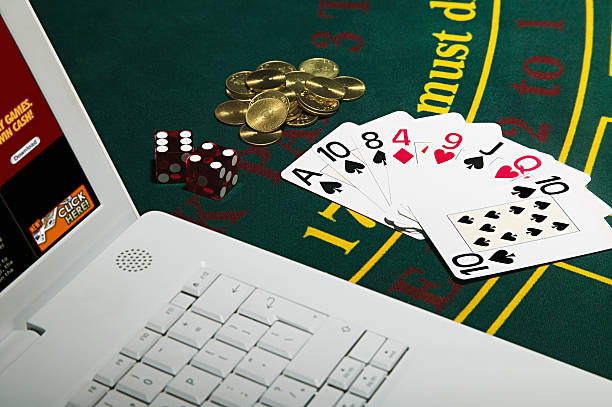 No deposit bonuses may seem too wonderful to be true, but they are:
 “Darkfall: The Journal” and “Fran Bow” let you investigate a mystery village or a protagonist’s tragic past as a detective or observer.